Bedroom furniture supports rest, storage, and everyday routines, with each piece contributing to comfort and room organization. Beds and headboards establish the sleeping area, while their design can complement bedding, pillows, and sheets. Understanding materials, dimensions, and intended use helps people assess how furniture fits their space and sleep habits.
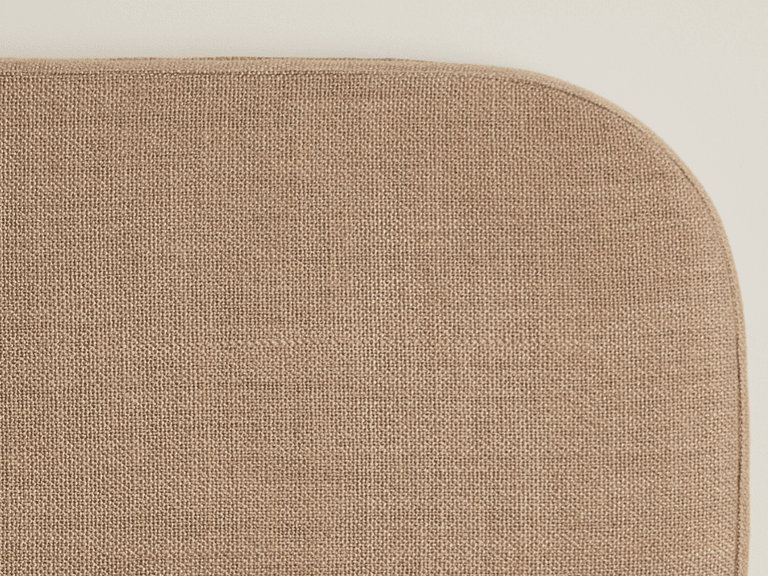
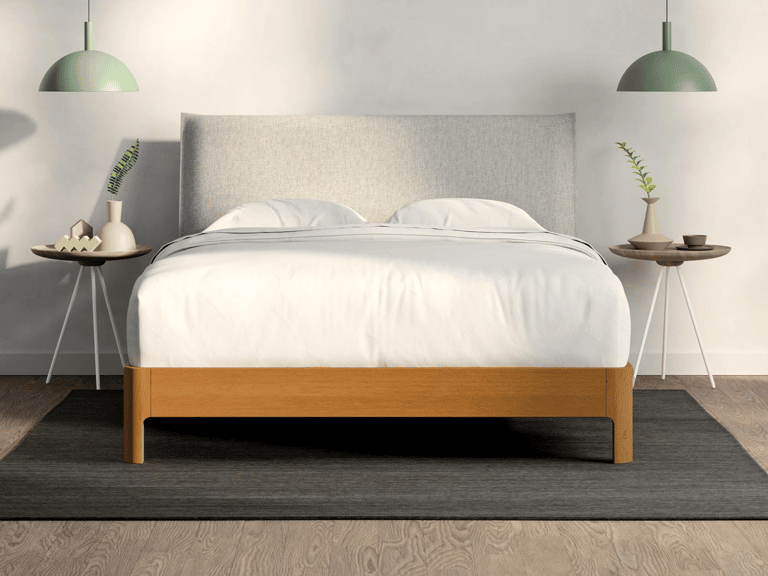
The Pillow Repose Headboard is a bedroom furniture feature designed to provide a cushioned surface behind the bed. Its padded construction can make sitting upright more comfortable for reading or relaxing, while also creating a defined backdrop for pillows. Headboard dimensions and attachment requirements are important considerations for fit and stability.
Headboards vary in shape, upholstery, padding, and installation style. A pillow-oriented design such as the Pillow Repose Headboard emphasizes a softer contact surface than a bare wall or rigid frame. Coordinating its proportions and finish with the bed, room layout, and existing bedding can support a cohesive and functional sleeping area.
Bedroom furnishings also work alongside sleep products, including pillows, sheets, and organic mattresses. These items serve different purposes: furniture structures and organizes the room, while bedding and mattresses contribute to the sleep surface. For nurseries, organic crib mattresses are made for crib dimensions and should be assessed for proper fit and safety.
When evaluating bedroom furniture, consider available floor space, bed size, material care, and how the room is used during the day. A supportive headboard may add comfort for seated activities, while suitable bedding and pillows help complete the sleep setup. These practical factors make it easier to understand each item’s role.
 Furniture