A Practical Guide to Choosing Organic Mattresses for Office Environments
A thoughtful, non-commercial exploration for facilities managers, HR professionals, and workplace designers seeking to cultivate well-being through organic sleep solutions. grounded in sleep science, certifications, and pragmatic decision-making.
In the modern office, sleep is not a private affair tucked behind bedroom doors; it is a public health act performed within break rooms, nap pods, and lounge areas that invite a humane rhythm into the workday. The question is not merely what mattress to choose, but how to choose with integrity—materials that honor the body, certifications that verify safety, and maintenance routines that sustain a healthy cycle of use. This guide weighs the material motives and practical realities of selecting organic mattresses for workplace settings, offering a framework that facilities teams can adopt without marketing gloss or financial hedging.
The topic—organic mattresses for offices—touches on many disciplines: ergonomics, environmental stewardship, human resources policy, and even architectural design. It demands a vocabulary that respects science while attending to the lived experiences of office workers: the late-night shift, the post-lunch slump, the quiet nap in a sunlit corner. To that end, we begin with materials, move through certifications, then translate those details into actionable checklists for evaluating durability, cleaning, fire safety, and total cost of ownership.
1) Why organic materials matter in office settings
Organic materials carry a promise beyond comfort: they reduce exposure to synthetic chemicals, potentially decrease off-gassing, and align with broader sustainability goals. In an office, where workers spend a significant portion of their waking hours within shared spaces, the selection of organic mattress components—such as natural latex, organic cotton, and sheep-wool blends—becomes a public-health consideration. The aim is not to eschew every synthetic fiber, but to prioritize materials with transparent supply chains and verified certifications that can be traced from kiln to cushion.
Consider the office lounge that doubles as a nap pod corridor. Here, the mattress is not merely a surface; it is a medium for recovery, a place where a tired mind can recalibrate. Organic materials contribute to a sleep environment that feels less clinical and more attuned to the body’s natural rhythms. The science of circadian biology suggests that a calm, breathable sleeping surface can help reduce nocturnal awakenings and support a more stable afternoon energy curve. Organic resilience—whether through wool’s moisture-wicking properties or latex’s responsive contouring—can play a quiet but meaningful role in workplace wellness.
2) Core materials and what to look for in certifications
The ladder of materials commonly found in organic office mattresses includes latex, cotton, and wool. Each offers its own blend of comfort, durability, and environmental profile.
- Latex: Natural latex cores are buoyant, responsive, and long-lasting. Look for Dunlop or Talalay processes sourced from certified organic plantations. Hypoallergenic potential varies with the sourcing and the presence of any additives; ensure the product uses natural latex without synthetic blends if your goal is a truly organic core.
- Cotton: Organic cotton covers and fillings provide a breathable, soft surface with a familiar feel. The absence of chemical pesticides and dyes at cultivation improves indoor air quality and reduces chemical exposure.
- Wool: Organic wool acts as a natural regulator of moisture and temperature. Wool fibers can contribute to a balanced climate within the mattress, offering warmth in cooler months and breathability in warmer ones, without relying on synthetic flame retardants.
Certifications act as the map through which the integrity of organic claims can be traced. The most widely recognized credentials include:
- GOTS (Global Organic Textile Standard): Ensures organic status of textiles throughout the supply chain, including processing, manufacturing, packaging, labeling, and distribution.
- GOLS (Global Organic Latex Standard): Focused on organic latex, covering the latex itself and the manufacturing process.
- OEKO-TEX: A general standard for textiles that tests for harmful substances and safety in finished products, providing an independent safeguard even when organic labels are present.
In practice, a mattress meeting GOTS and GOLS signals a strong alignment with organic agriculture, responsible processing, and safer end-use for workers in office environments. OEKO-TEX adds a complementary layer by screening throughout the manufacturing chain for chemical safety, even if the core materials are not organic in every component.
3) Practical checklists for facilities teams
When selecting organic options for break rooms, nap pods, or staff lounges, facilities teams benefit from structured decision-making. The following checklists distill the core considerations into actionable steps.
A. Durability and performance
- Assess the mattress core construction: natural latex cores with appropriate thickness (often around 6–8 inches) tend to offer robust support and longevity.
- Evaluate the cover materials: organic cotton or certified organic fabrics that resist pilling and wear over time.
- Inspect edge support and overall integrity: server-grade or hotel-grade constructions may provide better resilience in high-use environments.
B. Cleaning and maintenance
- Confirm cleaning requirements: most organic mattress covers are machine-washable or removable; some latex layers may require professional cleaning or surface care.
- Consider spill resistance: a waterproof or moisture-resistant top layer can be useful in shared office spaces to protect longevity.
- Ensure cover removability and pinch-free zippers to facilitate routine care without compromising safety.
C. Fire safety and regulatory compliance
- Check compliance with fire safety standards for office furniture. Some regions allow natural materials with non-toxic flame retardants or inherently fire-resistant fibers.
- Document any testing or certifications relevant to fire performance and compliance with local building codes.
D. Total cost of ownership
- Evaluate initial purchase price against expected lifespan and replacement cycles of organic options.
- Factor in maintenance costs, cleaning services, and potential energy efficiency gains from better worker well-being.
4) A field-tested framework: certifications in action
To illustrate how organic certifications translate into everyday decisions, imagine three professionals from different eras offering perspectives on office health, material integrity, and ethics:
- 1) Florence Nightingale (19th century): A pioneer of evidence-based practice, Nightingale’s insistence on cleanliness, precise record-keeping, and sanitation would translate in a modern context to rigorous supplier audits, transparent ingredient disclosures, and meticulous maintenance logs for office rest spaces. Her emphasis on data-informed care would push organizations to document the health implications of material choices, aligning with the need for certifications that verify safety and environmental impact.
- 2) Jane Goodall (late 20th century to today): As a steward of ecosystems and a champion of ethical sourcing, Goodall would emphasize procurement decisions rooted in sustainable agriculture and humane supply chains. In the office setting, her voice would champion organic farming practices for raw materials, humane wool production, and traceable latex origins, ensuring that the mattress components reflect a respect for living systems and worker health.
- 3) A contemporary facilities manager (21st century): A current professional navigating building codes, cost constraints, and worker well-being would champion a practical triad: verifiable certifications, durable design, and hygiene-friendly maintenance. This perspective anchors the office mattress choice in real-world constraints—budget, space, cleaning protocols—while prioritizing products that maximize comfort and reduce sick days.
5) A case study glance: selecting an organic setup for a workplace lounge
Consider a mid-sized tech company seeking to retrofit its employee lounge with a nap pod area. The team prioritizes organic materials, transparent sourcing, and resilience against high daily usage. They evaluate two options with strong certifications:
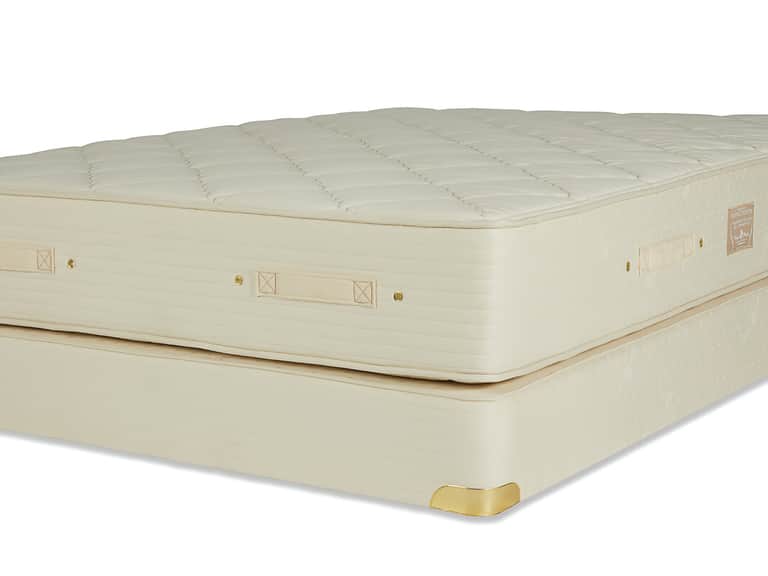
Option A: Royal-Pedic Natural Latex Quilt-top Mattress
A luxury core of natural Dunlop latex, wrapped in premium long-staple cotton and chemical-free wool. The ticking is German stretch knit, and the setup supports adjustable bases. The design prioritizes breathability and temperature regulation, with a robust, durable build.
Price: 5974.00 USD
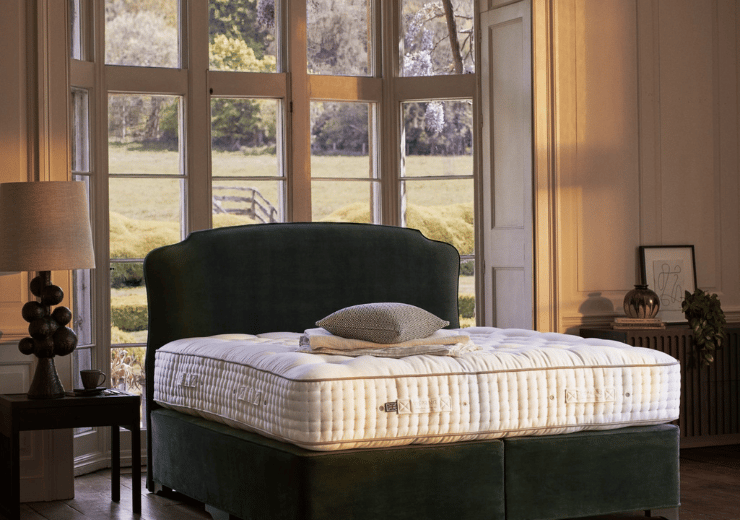
Option B: Vispring Opulence Mattress
A high-end, multi-fiber surface featuring cashmere, alpaca, bamboo, and mulberry silk over a triple-nested spring architecture. The tactile softness is matched by meticulous edge-stitching and bespoke upholstery—an investment in luxury sleep performance.
Price: 32300.00 USD
For an office-focused, non-commercial program, the team would likely favor Option A for its blend of organic materials, certification potential, and long-term durability, with attention to any fire safety and maintenance requirements. The choice should be guided by a documented decision matrix: material integrity, certification status, cleaning practicality, and total cost of ownership over a recommended replacement period.
6) The product spotlight: a closer look at a representative organic option
Among the curated options that balance organic integrity with practical use in an office environment, the Royal-Pedic Natural Latex Quilt-top Mattress with German Stretch Knit ticking stands out for its explicit emphasis on natural materials and timeless construction. The interior latex core, unsullied by synthetic blends, is encased in premium cotton and chemical-free wool. The quilt-top finish and German stretch knit ticking combine to create a surface that breathes, adapts to body contours, and remains resilient under repeated use.
Royal-Pedic Natural Latex Quilt-top Mattress (605)
Interior latex core with a plush, yet supportive, two-layer latex structure. The outer ticking uses a German stretch knit, designed to accommodate micro-motions and adapt to shifts in sleeping posture. The chemical-free wool layer serves as a natural flame barrier and moisture regulator, offering a holistic sleep surface for office environments.
Source: The Clean Bedroom catalog
Key Attributes
- All-natural Dunlop latex core
- Premium long-staple cotton cover
- Chemical-free French wool flame barrier
- Approximately 8" thick; suitable for adjustable bases
- Made in the USA with careful craftsmanship
In a professional setting, such a mattress can support a calm, restorative space, provided that the surrounding break-room design promotes a quiet, respectful environment. A neutral color palette, sound-absorbing panels, and comfortable seating accompany the mattress to create a cohesive wellness zone rather than a perfunctory amenity.
7) Design considerations: blending function with aesthetics
The office mattress is not a singular product in isolation; it functions as part of a broader wellness ecosystem that includes air quality, lighting, ergonomics, and micro-break practices. When integrating organic mattresses into a corporate setting, consider:
- Placement and privacy: designate a quiet corner with ambient lighting and sound attenuation to preserve the restorative aspect of the space.
- Ventilation and climate control: pairing organic materials with an effective HVAC strategy helps maximize temperature regulation.
- Accessibility and inclusivity: ensure that lounge layouts accommodate diverse body types and mobility needs.
- Maintenance governance: establish cleaning schedules, spill response protocols, and routine inspections to preserve material integrity.
8) The roadmap to a credible, non-commercial program
To maintain credibility and avoid commercial bias, document the decision-making process, provide a transparent rationale for material choices, and publish an accessible summary of certifications. A practical approach includes:
- Publish a product-neutral criteria document outlining required certifications, durability benchmarks, and maintenance expectations.
- Offer a reusable supplier questionnaire to verify organic claims and supply chain transparency.
- Provide downloadable templates for a cost-of-ownership analysis and a cleaning protocol suitable for office environments.
9) Conclusion: a future-forward stance on workplace sleep
The choice of organic mattresses for office spaces is not a mere procurement decision; it is a statement about how a company values rest as a component of productivity and human dignity. By prioritizing organic materials and transparent certifications, organizations can create environments where work and rest exist in a healthier, more humane balance. In the end, the best mattress for an office lounge may be the one that quietly supports the everyday heroism of workers—day after day, night after night—without shouting about itself.